
The Quran offers profound guidance on human well-being, covering many aspects of health, diet, emotional balance, and living in harmony with nature. Islam emphasizes the importance of maintaining a balanced life, taking care of one’s body, eating nutritious foods, and fostering emotional and spiritual well-being.
- Taking Care of Your Health
The Quran encourages us to view health as a blessing from Allah and commands us to take care of our bodies. We are stewards of the body, and caring for it is not only essential for personal well-being but also a form of worship. Allah says:
“…And do not kill yourselves (or one another). Surely, Allah is Most Merciful to you.” — Surah An-Nisa (4:29)
This verse can be understood to include taking care of one’s physical and mental health, ensuring that we do not cause harm to ourselves through neglect, unhealthy living, or destructive behaviors.
Additionally, in a hadith, the Prophet Muhammad (PBUH) emphasized the importance of health: “There are two blessings that many people are deceived into losing: health and free time.”
This highlights the value of maintaining good health and using it wisely in our lifetime.
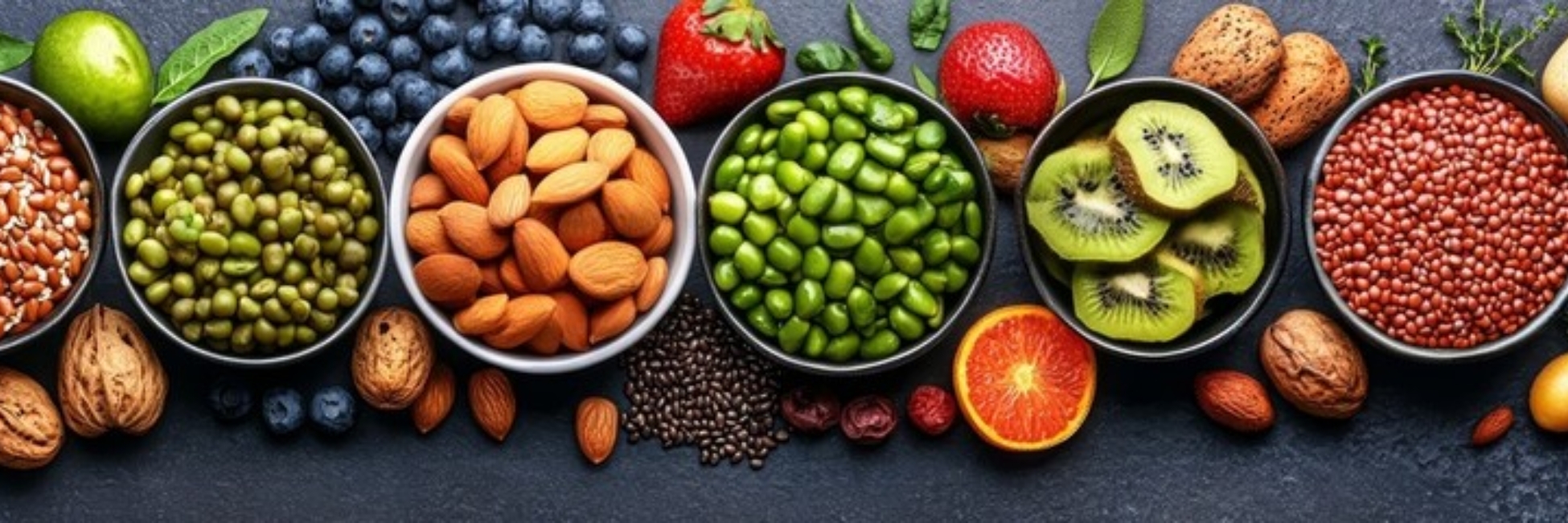
- Eating the Right Foods
The Quran places great importance on consuming healthy and lawful (halal) foods. The concept of balance and moderation in eating is central to Islamic teachings, avoiding both gluttony and starvation. Allah advises in the Quran:
“O children of Adam, take your adornment at every masjid, and eat and drink, but be not excessive. Indeed, He likes not those who commit excess.” — Surah Al-A’raf (7:31)
This verse emphasizes eating in moderation, ensuring that we neither overeat nor indulge in wasteful consumption, which can harm both our health and the environment.
- What Kind of Foods to Eat
The Quran specifically mentions a variety of natural and wholesome foods that are beneficial for human health, including:
Fruits and Vegetables:
“And from the fruits of date palms and grapevines you derive intoxicants as well as wholesome provision. Surely in this is a sign for people who understand.”
— Surah An-Nahl (16:67)
Fruits such as dates, grapes, olives, and pomegranates are highlighted in the Quran as sources of nourishment. These foods are rich in essential vitamins and minerals and have been shown to have numerous health benefits.
Honey:
“There emerges from their bellies a drink, varying in colors, in which there is healing for people. Indeed, in that is a sign for a people who give thought.”
— Surah An-Nahl (16:69)
Honey is described as a healing substance, and modern science confirms its antibacterial and anti-inflammatory properties.
Meat:
“It is He who subdued the seas so that you may eat from its tender meat and extract from it ornaments to wear…”
— Surah An-Nahl (16:14)
The Quran permits the consumption of meat and fish, but with a strong emphasis on ensuring that the food is lawful (halal) and the animals are treated with care and respect.
Milk:
“And indeed, for you in grazing livestock is a lesson. We give you drink from what is in their bellies between excretion and blood – pure milk, palatable to drinkers.”
— Surah An-Nahl (16:66)
Milk is highlighted as a pure and beneficial source of nutrition, rich in essential nutrients like calcium and vitamins.

- Walking in Nature
The Quran encourages us to reflect on the creation around us, and spending time in nature is an important way to reconnect with the natural world and reflect on Allah’s creation. In Surah Al-Mulk (67:15), Allah instructs people to explore the Earth:
“It is He who made the Earth tame for you—so walk among its slopes and eat of His provision—and to Him is the resurrection.”
This verse encourages us to walk in nature, engage with the natural environment, and appreciate the sustenance and beauty that Allah provides. Walking outdoors and being connected to nature is essential for our physical and mental well-being. It helps reduce stress, boost energy, and promote mindfulness.
- Emotional Well-Being and Finding Balance in Life
Islam recognizes the importance of emotional well-being and advises moderation in all aspects of life, including emotions, thoughts, and actions. The Quran teaches us to strike a balance in life by avoiding extremes in behavior, whether it is excessive joy or overwhelming sadness. In Surah Al-Furqan (25:67), Allah describes the qualities of true servants of the Most Merciful:
“And those who, when they spend, are neither extravagant nor stingy, but are ever, between that, justly moderate.”
This principle of moderation applies not just to financial matters but also to how we manage our emotions, ensuring we maintain a balanced and healthy mental state.
Patience and Gratitude are also key emotions that the Quran emphasizes for emotional balance:
Patience
“O you who have believed, seek help through patience and prayer. Indeed, Allah is with the patient.”— Surah Al-Baqarah (2:153)
Patience is highlighted as an important trait in managing stress, hardship, and adversity.
Gratitude:
“If you are grateful, I will surely increase you [in favor]…”
— Surah Ibrahim (14:7)
Gratitude is linked to emotional well-being and contentment in life. When we focus on the blessings we have, we foster a positive and balanced mindset.
- References to Earthing in the Quran
The concept of connecting with the Earth and its healing properties is not just a modern discovery but is deeply rooted in ancient wisdom. The Quran emphasizes the benefits of the Earth and nature for human well-being.
In Surah Taha (20:55), Allah says: “From the earth We created you, and into it We will return you, and from it We will bring you back again.”
This verse highlights the profound connection between humans and the Earth. We are created from the Earth, and it provides us with the necessary energy to maintain balance and health. Walking on the Earth, or grounding, aligns with the natural design that Allah has established for us to find harmony and healing in the world around us.
Additionally, in Surah Al-Baqarah (2:22), Allah speaks of the Earth as a place of provision and sustenance for mankind: “He who made for you the earth a resting place and the sky a canopy…”
- Finding Balance in All Aspects of Life
Islam promotes a balanced way of life that harmonizes the needs of the body, mind, and soul. In Surah Al-Baqarah (2:143), Allah describes the Muslim community as being “a justly balanced nation”:
“Thus, We have made you a just community (ummah wasat) that you will be witnesses over the people…”
This verse highlights the importance of living in moderation and balance—whether in spiritual practices, social life, or physical well-being. Achieving balance means fulfilling the body’s needs through proper nourishment, exercise, and rest while also nurturing the soul through prayer, reflection, and gratitude.
- Conclusion
The Quran provides timeless wisdom on maintaining health, finding balance, and achieving emotional and spiritual well-being. By eating wholesome foods, spending time in nature, practicing moderation, and nurturing both body and soul, we align ourselves with the natural order of life that Allah has created. Living a balanced life is essential for overall well-being, and this balance is a central theme in Islamic teachings. Through mindfulness of these principles, we can lead healthier, happier lives in harmony with ourselves and the world around us.


